RAIL TRANSPORT : Camrail launches consultations for the modernization of strategic rail links in Cameroon

 La voix des entreprises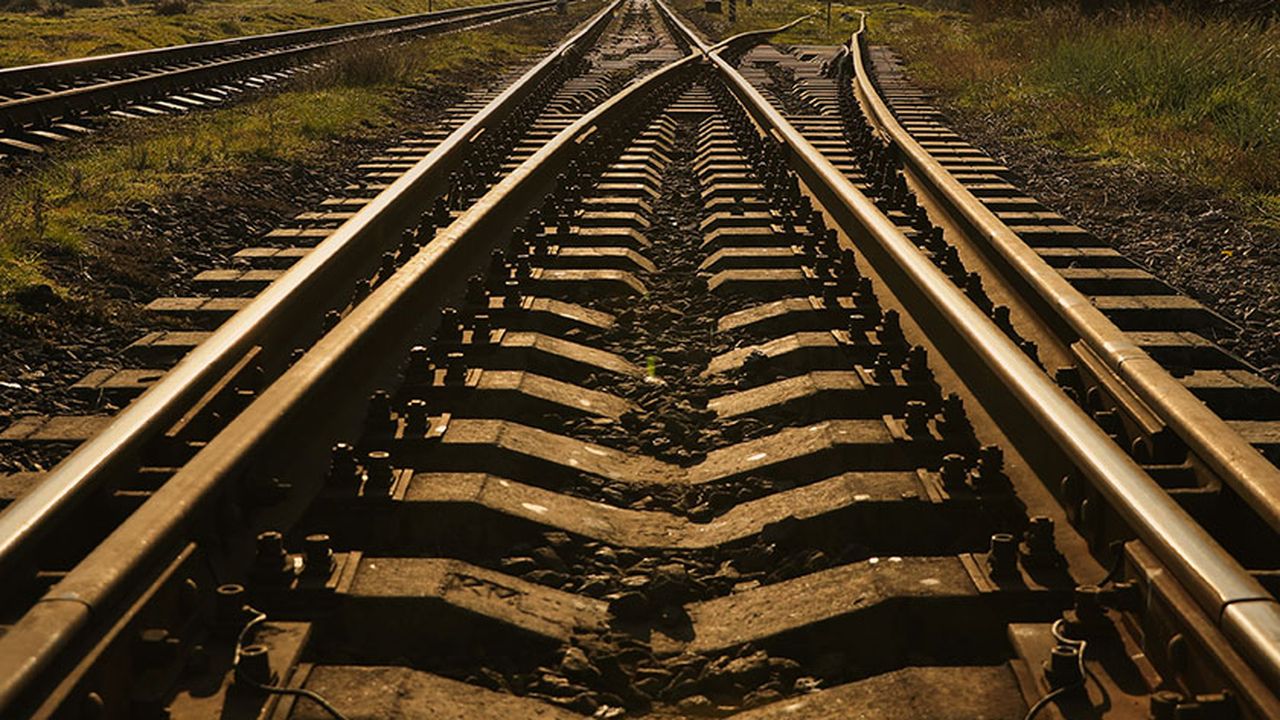
Railway
(LVDE) – On September 23, 2025, Camrail, the concessionaire of Cameroon’s railway network, launched a preliminary consultation for the renewal of the Douala–Yaoundé and Bélabo–Ngaoundéré railway lines. This initiative is part of major investments aimed at modernizing the network and strengthening the regional economy.
This marks a new step in the renewal of strategic rail lines. On September 23, 2025, Camrail initiated a preliminary consultation in Douala, focusing on the Douala–Yaoundé and Bélabo–Ngaoundéré lines, which are vital for both freight and passenger transport. The goal of this consultation is to outline the key phases and technical requirements of the upcoming projects, while identifying potential risks and attracting interested companies ahead of tenders scheduled for late 2025 and the first half of 2026.
The first project, financed with CFAF 152 billion by the World Bank, focuses on renewing 238 km of track between Douala and Yaoundé. This includes replacing rails and bi-block concrete sleepers, automating level crossings, and rehabilitating engineering structures such as viaducts, tunnels, bridges, and hydraulic facilities. The modernization plan also provides for a centralized and onboard signaling system, automatic train and level-crossing control, thereby enhancing transport safety and efficiency.
The second project, with a budget of CFAF 167.3 billion, is supported by the European Investment Bank (EIB), the European Union (EU), and the French Development Agency (AFD). It concerns the renewal of 330 km of track between Bélabo and Ngaoundéré, with similar works including the automation of level crossings, rehabilitation of bridges, slope stabilization, and the installation of efficient drainage systems.
The tenders will be open to both national and international companies with the required expertise. Cameroonian firms will be able to bid directly or through subcontracting. However, Camrail has warned of economic risks linked to fluctuations in steel prices, a key material for the works. Selected companies will need to demonstrate strong financial capacity to ensure a stable supply on the international market and avoid delays in project execution.
In addition, these projects carry a strong social commitment: each company will be required to recruit at least 30% local labor, thereby promoting employment in the concerned regions. The works are expected to begin in the first half of 2027 and be completed by 2030, offering long-term job opportunities for local populations.
The Bélabo–Ngaoundéré line renewal project (Prbn) aims to improve the performance and safety of the rail corridor linking Cameroon’s North and Far North regions to Chad. Camrail also announced that about CFAF 500 billion will be invested in improving road and rail infrastructure along the Douala–N’Djamena corridor, a vital axis for regional trade.
The Regional Project for the Improvement of the Douala–N’Djamena Rail/Road Corridor (Pcdn) is part of this vision, aiming to significantly reduce logistics costs, strengthen competitiveness, and improve connectivity between Cameroon and Chad. This corridor accounts for 35% of the GDP of both countries, highlighting its crucial importance for regional and international trade. Esther Grace
À propos de l'auteur





 Anatole Bidias
 Raphael Mforlem