AGRO-PASTORAL SECTOR : Training Centers Seek Optimal Solutions for Young Entrepreneurs
 La voix des entreprises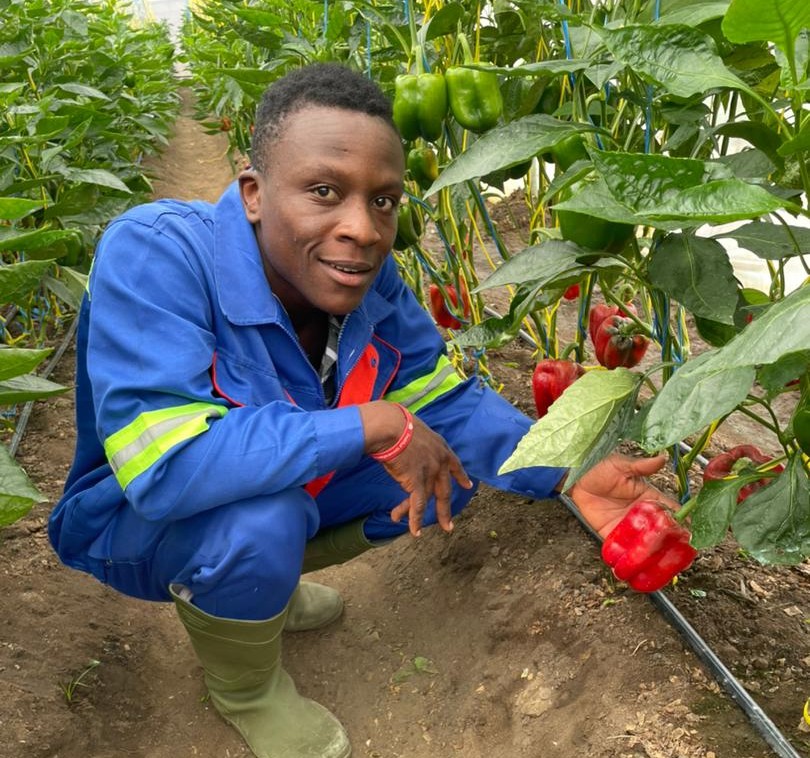
(LVDE) – On September 24 in Yaoundé, the Collective of Promoters of Private Agro-Pastoral Vocational Training Centers submitted a petition to the government. The document aims to improve certification and integration of young people into the agro-pastoral sector, seen as a key driver of job creation in Cameroon.
During a meeting in Yaoundé on September 24, 2025, the Collective of Promoters of Private Agro-Pastoral Vocational Training Centers presented a plea to strengthen the conditions for youth certification and integration in the sector. Known for its potential in job and wealth creation, the agro-pastoral industry could play a crucial role in Cameroon’s economy.
The collective made several recommendations. First, training centers are requesting government subsidies with a budget comparable to that allocated to secondary education. This would strengthen the centers’ capacities and improve the quality of training provided.
In addition, the collective is calling for simplified administrative procedures related to accreditation, including the elimination of the renewal requirement, which poses an obstacle for many centers. They also emphasized the need to standardize and certify both training programs and trainers, ensuring a level of quality that meets market requirements.
Stakeholders in the sector are also advocating for the establishment of a national integration program for young graduates, along with measures to facilitate access to essential resources such as land, credit, and agricultural inputs. These measures are intended to ensure a smooth transition for young people into the professional world.
Gabriel Mbairobe, Minister of Agriculture and Rural Development, received the document with particular attention, noting that it comes at a critical moment. He stressed the importance of agriculture and livestock in the national economy, pointing out that these sectors are significant drivers of growth and food security. According to official data, the agro-pastoral sector accounts for 48% of job creation in Cameroon, surpassing both the tertiary and secondary sectors.
The preparation of the petition was supported by the Rural Development Support Project III (PADER III), launched in January 2025 and scheduled to end in December 2027. This program, focused on the North and Far North regions, is financed by the German government with CFAF 6.5 billion through GIZ.
The numbers speak for themselves: agriculture, including livestock and fisheries, is a cornerstone of Cameroon’s economy. By integrating trained and qualified youth into this sector, the country could not only strengthen its food security but also create job opportunities for young people and women, who are often vulnerable.
The Collective’s petition therefore represents a crucial initiative, aimed at mobilizing public stakeholders around a shared objective: making the agro-pastoral sector a driver of sustainable and inclusive development. While challenges remain, the commitments made by different stakeholders could transform Cameroon’s agro-pastoral landscape in the years ahead.
Esther Grace
À propos de l'auteur






 Raphael Mforlem