
TAX REVENUES : Cameroon Customs Targets Over CFAF 100 Billion in September 2025

 La voix des entreprises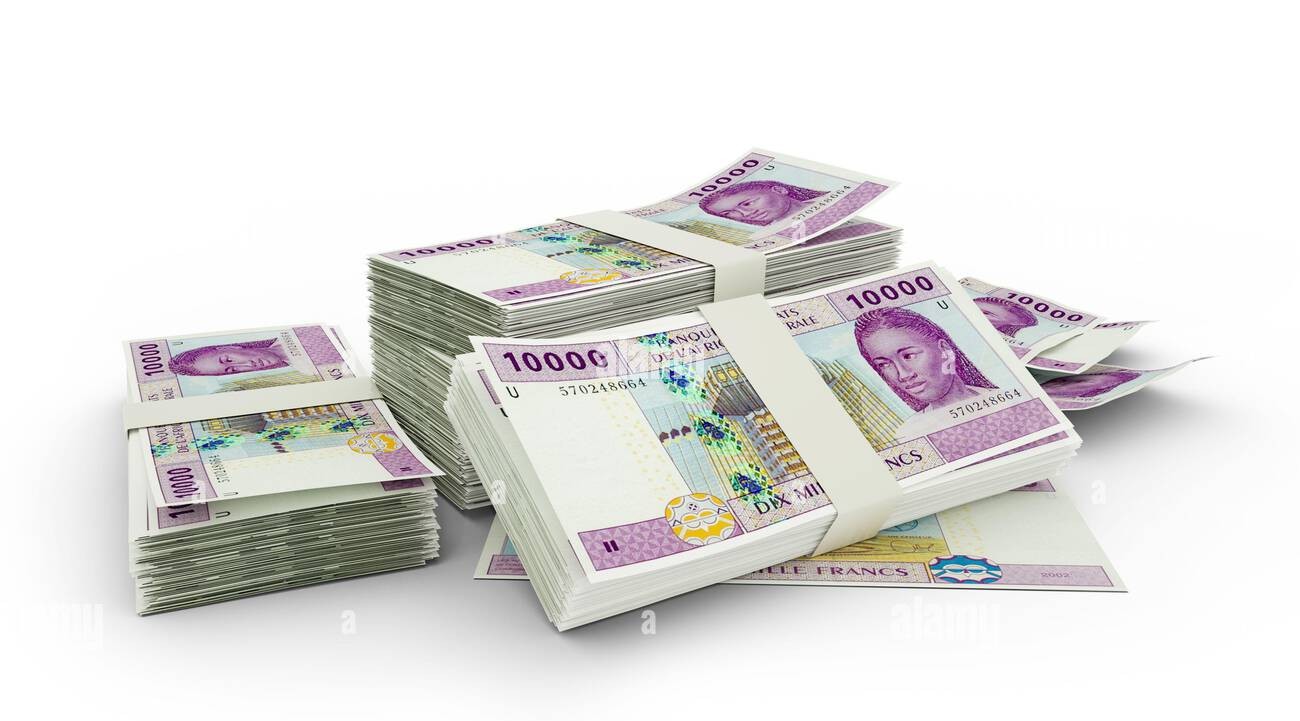
Nouvelles coupures des billets de 10 000 FCFA, de banque de la Communauté économique et monétaire d'Afrique centrale.
(LVDE) – According to Cameroon’s Directorate General of Customs (DGD), and based on performance estimates from districts such as Littoral I and South II, collections for September 2025 could reach a record CFAF 101.8 billion.
In Cameroon, the Directorate General of Customs (DGD) has set an ambitious target for September 2025: to collect CFAF 101.8 billion. This amount represents a significant share of the country’s tax revenues and reflects a strong commitment to strengthening revenue mobilization. Projections are particularly optimistic, with nearly 90% of this sum expected to come from the Littoral I and South II districts.
Littoral I, which includes the Port of Douala—the country’s main entry point for goods—is expected to generate CFAF 57.2 billion. This strategic port, often described as the country’s “economic lung,” plays a crucial role in facilitating trade. Meanwhile, the South II district, which includes the Kribi deep seaport, is projected to contribute CFAF 31.7 billion. Both ports are vital for economic development and the growth of trade in the region.
However, the situation is not uniform across the country. The ongoing crisis in the Southwest region, marked by separatist tensions, has led to a modest collection target of CFAF 6 billion for that district. Similarly, the Northwest—also affected by instability—is expected to generate the smallest amount nationwide, just CFAF 20 million in September. This disparity highlights the challenges faced by customs authorities in certain parts of the country.
To put these ambitions in context, it is worth recalling that Cameroon’s customs administration surpassed the CFAF 1,000 billion threshold for the first time in 2023, reaching a total of CFAF 1,019.8 billion. For 2025, projections are set at CFAF 1,144 billion, an increase of CFAF 88.1 billion compared to the previous year. This represents growth of 8.3% over the CFAF 1,055.9 billion collected in 2024, underscoring a positive trend and a determination to improve revenue collection efficiency.
The DGD has implemented several measures to achieve these ambitious goals. These include modernizing customs infrastructure, improving clearance procedures, and optimizing human resources. In addition, the administration has stepped up awareness campaigns among economic operators to encourage compliance with tax obligations.
The September 2025 collection drive is a decisive test for Cameroon Customs. With clear objectives and a well-defined strategy, the results for this month could not only contribute to meeting annual forecasts but also strengthen business confidence in the administration’s capacity to manage contemporary challenges. All eyes are now on the performance of the districts, with hopes that the positive momentum will continue.
Esther Grace
À propos de l'auteur