BREWING INDUSTRY : SABC, UCB, Brass AF, Swiss African Brewery… propelling Cameroon to the rank of an African beer giant

 La voix des entreprises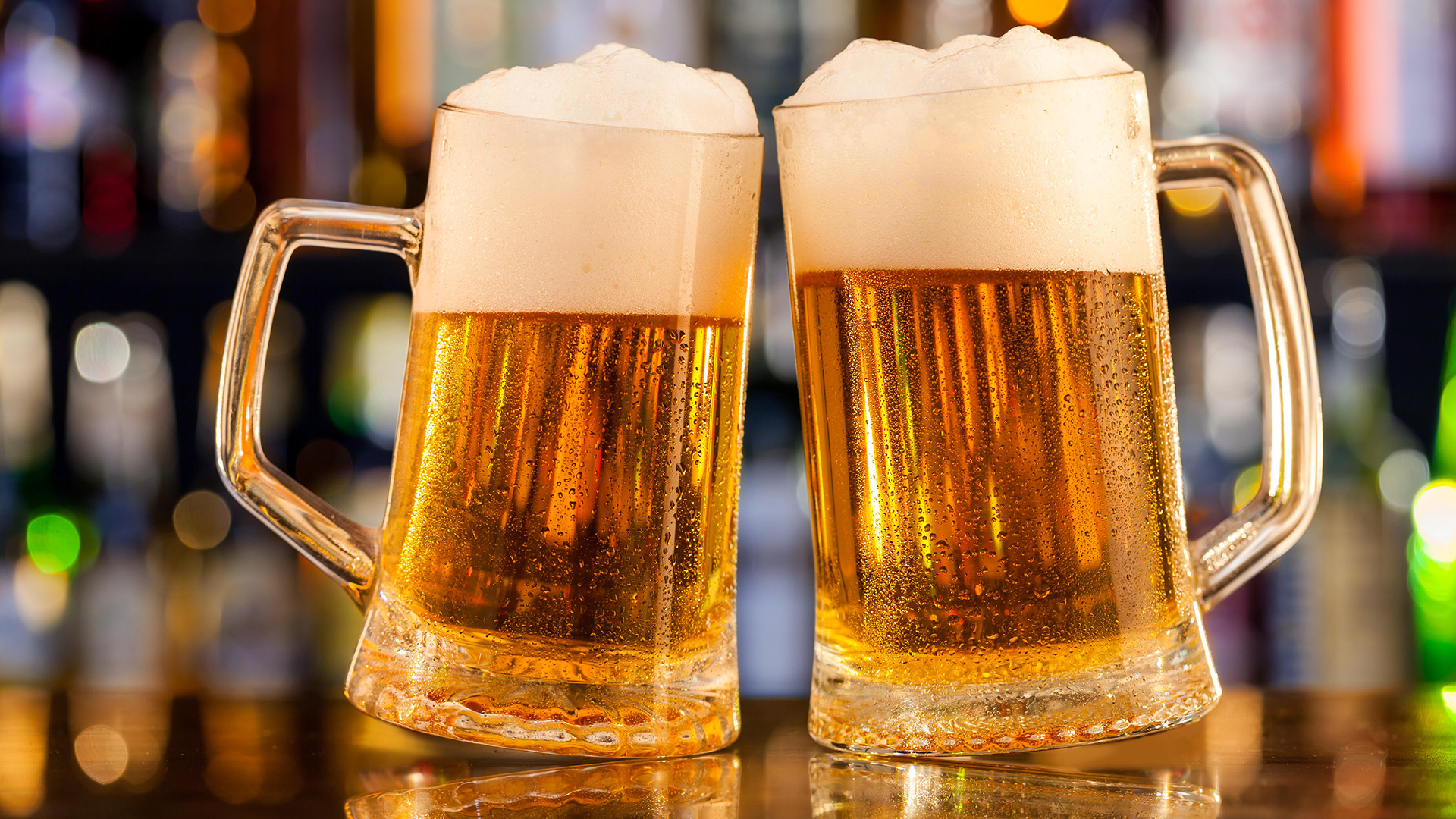
(LVDE) – With a production of 930 million liters brewed by these companies in 2024, Cameroon has demonstrated its strength in Africa’s brewing sector and reinforced its position among the continent’s top five beer producers.
In 2024, Cameroon reached a major milestone in its brewing history, producing nearly one billion liters of beer, according to the analysis firm BarthHaas. This performance—equivalent to 9.3 million hectoliters—represents a 2.1% increase compared to the previous year. Not only does this confirm Cameroon’s position as Africa’s fifth-largest producer, it also places the country ahead of Côte d’Ivoire, Ghana, the Democratic Republic of Congo, and Kenya.
In the ranking of African producers, Cameroon comes just behind giants such as South Africa (37 million hectoliters), Nigeria (19.1 million), Angola (16.2 million), and Ethiopia (13.7 million). By contrast, Cameroon’s output far surpasses that of its neighbors: Côte d’Ivoire produces only 4.8 million hectoliters, Kenya 4.2 million, and Ghana 2 million. Within the Central African Economic and Monetary Community (CEMAC), Cameroon produces more beer than its five neighbors combined, whose total output is just 7.19 million hectoliters.
Across the continent, beer production reached 160.5 million hectoliters, marking a 6.7% increase. This momentum stands in stark contrast to the global market, which recorded a slight decline of 0.3%, highlighting the vitality of Africa’s brewing industry. Cameroon’s brewing boom is largely driven by growing consumer demand and new investment initiatives.
Between 2022 and 2024, new breweries emerged, including Brasaf—owned by billionaire Samuel Foyou—and Swiss African Premium Beverage (SAPB), founded by Swiss entrepreneur Eser Karatas. SAPB, with a production capacity of 50,000 hectoliters, markets the “ROX” brand, aiming to establish itself in the market.
Cameroon’s brewing landscape is dominated by several key players. The Société Anonyme des Brasseries du Cameroun (SABC) remains the country’s largest brewer, controlling nearly 80% of the market after acquiring Guinness Cameroon. It is followed by the Union des Brasseries du Cameroun (UCB), a historic company and one of the country’s most important, and Brass AF, which has been gaining ground since it began operations in 2021.
Other emerging players, such as Swiss African Brewery and craft brewers like Sobrartcam and BRC-Cabra, are also expanding. Sobrartcam specializes in artisanal production, while BRC-Cabra, based in western Cameroon, aims to export its beers—including brands like Bao Black and Bao Premium—within the CEMAC region.
With steadily rising production and strategic investments, Cameroon is well positioned to strengthen its standing as a continental leader. Beer, a true symbol of conviviality and culture, could become one of the pillars of Cameroon’s economy in the years to come, showcasing a dynamic and fast-growing sector.
Esther Grace
À propos de l'auteur






 Anatole Bidias
 Raphael Mforlem