

AIR TRANSPORT : Camair-Co acquires a Boeing 737-300 through leasing

 La voix des entreprises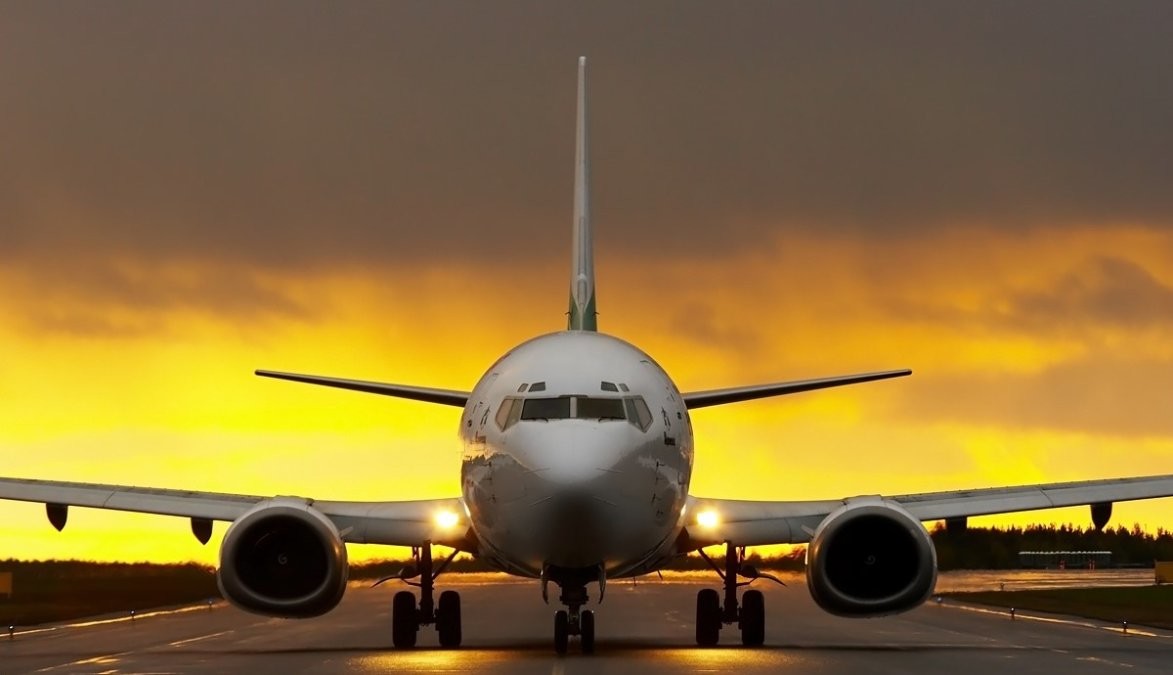
Boeing 737-300
(LVDE) – This acquisition from Nigeria comes at a time when the Cameroon national airline is facing growing competition and criticism over delays. It strengthens the company’s fleet and is expected to improve its regional services.
Cameroon’s national airline, Camair-Co, has taken a major step by adding a Boeing 737-300 to its fleet, an aircraft leased from the Nigerian company NG Eagle. This acquisition, marks a turning point in the airline’s efforts to stabilize its operations, which have often been disrupted by delays and cancellations. The 28-year-old aircraft recently underwent a comprehensive technical inspection in Lagos to ensure its safety and compliance before entering service.
With a seating capacity of between 134 and 149 passengers depending on configuration, the Boeing 737-300 is designed for regional and sub-regional routes, with a range of around 4,200 km. In addition to this aircraft, the airline also operates two CRJ jets (-100 and -900) leased from CemAir, a South African company. However, Camair-Co’s own fleet currently has only one Boeing 737-700 in active service, making this new addition crucial to boosting operational capacity.
The decision to integrate this Boeing 737-300 comes in a difficult context for Camair-Co, which is facing mounting criticism from passengers due to frequent delays. Recently, the airline issued a statement of apology, attributing the disruptions to two bird strikes that required major adjustments to its flight schedule. While assuring that passenger safety remains its top priority, management pledged to implement corrective measures to improve customer service and communication, while working with the government to strengthen its fleet.
Camair-Co serves several regional capitals, including Libreville, Bangui, Brazzaville, Cotonou, and N’Djamena. However, it is facing increasingly fierce competition. For example, the new airline Royal Airways Chad is set to launch a Douala–N’Djamena route starting September 15, while the Congolese carrier ECAir, currently relaunching, aims to reclaim regional routes already operated by Camair-Co. In a rapidly changing Central African market, the Cameroonian airline must adapt to the arrival of these new players seeking to capture passenger traffic.
Currently, Camair-Co lists a theoretical fleet of ten aircraft, but most are grounded for maintenance or awaiting overhaul. Among them is a Boeing 767-300ER awaiting conversion into a cargo version, along with several other models, including Dash Q-400s and Embraer jets. In practice, only a handful of planes are actually operating routes, forcing the airline to frequently resort to charters to maintain continuity of service.
Esther Grace
À propos de l'auteur